The sfoglia school
How the sfoglia is made, step by step
Five guides in order: read them one after the other and you will know how to mix, roll, cut and store fresh pasta the way it is done in Romagna. No strange equipment, just your hands and a little patience.
-
01
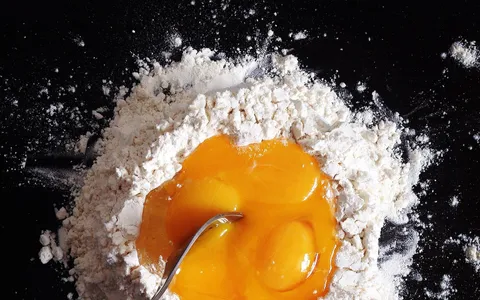
Romagna sfoglia dough
The Romagna sfoglia dough step by step: one egg per 100 g of type 00 flour, the well, the rest, and how to fix dough that is too dry or too wet.
-
02
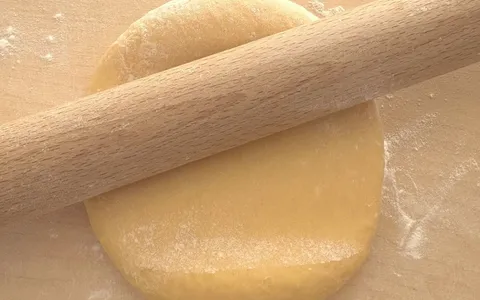
Rolling the sfoglia by hand
How to roll the sfoglia with a long mattarello the way Romagna azdore do: posture, the disc, rolling and unrolling, even thickness and how to fix tears.
-
03
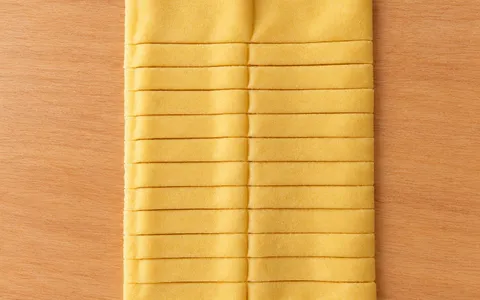
Sfoglia thickness by shape
Thickness and cutting sizes of the sfoglia for every Romagna shape, from tagliatelle to cappelletti and garganelli: table, how to measure, machine settings.
-
04
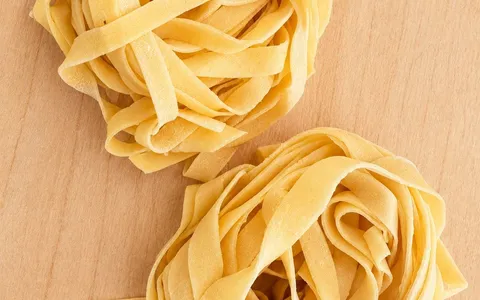
Storing fresh pasta
How to keep fresh egg pasta in the fridge and the freezer, how to dry it at home without risks, and the hygiene rules for cappelletti and filled pasta.
-
05
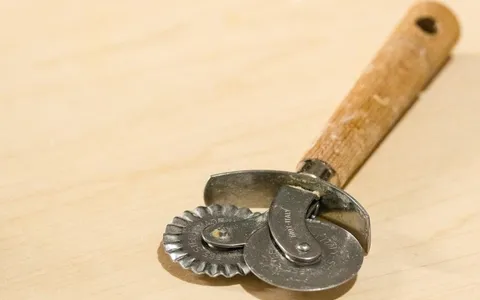
Pasta making tools
Tools for homemade sfoglia: wooden board, long mattarello, pasta wheel and passatelli iron. What to look for before you buy them.
If you use a machine
The path above is about the sheet rolled by hand, which is the heart of this site. Anyone working with a pasta machine will find everything they need on a page of its own, without hunting for it among the rest.
Why learn the technique before the recipes
Fresh pasta recipes are all children of the same gesture: one egg for every 100 grams of flour, ten minutes of kneading, half an hour of rest and the sheet rolled until you can see through it. Whoever masters that gesture can make any shape; whoever skips it ends up with rubbery tagliatelle and cappelletti that open in the pot. That is why we separated technique from recipes: here you learn the method, in the recipe book you put it to work.