This site is about the sfoglia rolled by hand, and the five guides of the school are about exactly that. But the roller machine exists, many people have only that, and pretending otherwise would help nobody. So we have gathered everything to do with rollers here, on a single page: whoever uses a machine finds what they need without hunting through the other guides, and whoever rolls by hand does not trip over it.
No prejudice, then. The machine saves time and effort, in a small kitchen it is sometimes the only option, and a sheet made by machine is still infinitely better than one bought in a supermarket.
Rolling pin or roller machine: an honest comparison
Here is what really changes.
| Rolling pin | Roller machine | |
|---|---|---|
| Surface of the sheet | Rough, porous, holds the sauce | Smooth, compact |
| Thickness | Variable, judged by eye | Even, repeatable |
| Width of the sheet | One large disc | Strips 14 to 18 cm wide |
| Time for 400 g | 7 to 20 minutes, depending on experience | About 10 minutes |
| Effort | High, but you build it up | Low |
| Space needed | A large board | A corner of the table |
| Learning curve | Long | Half an hour |
The truth is that for tagliatelle and for the shapes where you feel the pasta in your mouth, the rolling pin gives a result the machine does not reach. For lasagne, cappelletti and ravioli the difference is much smaller, and some people prefer the machine precisely because the sheet comes out identical in thickness from the first piece to the last.
Before you start
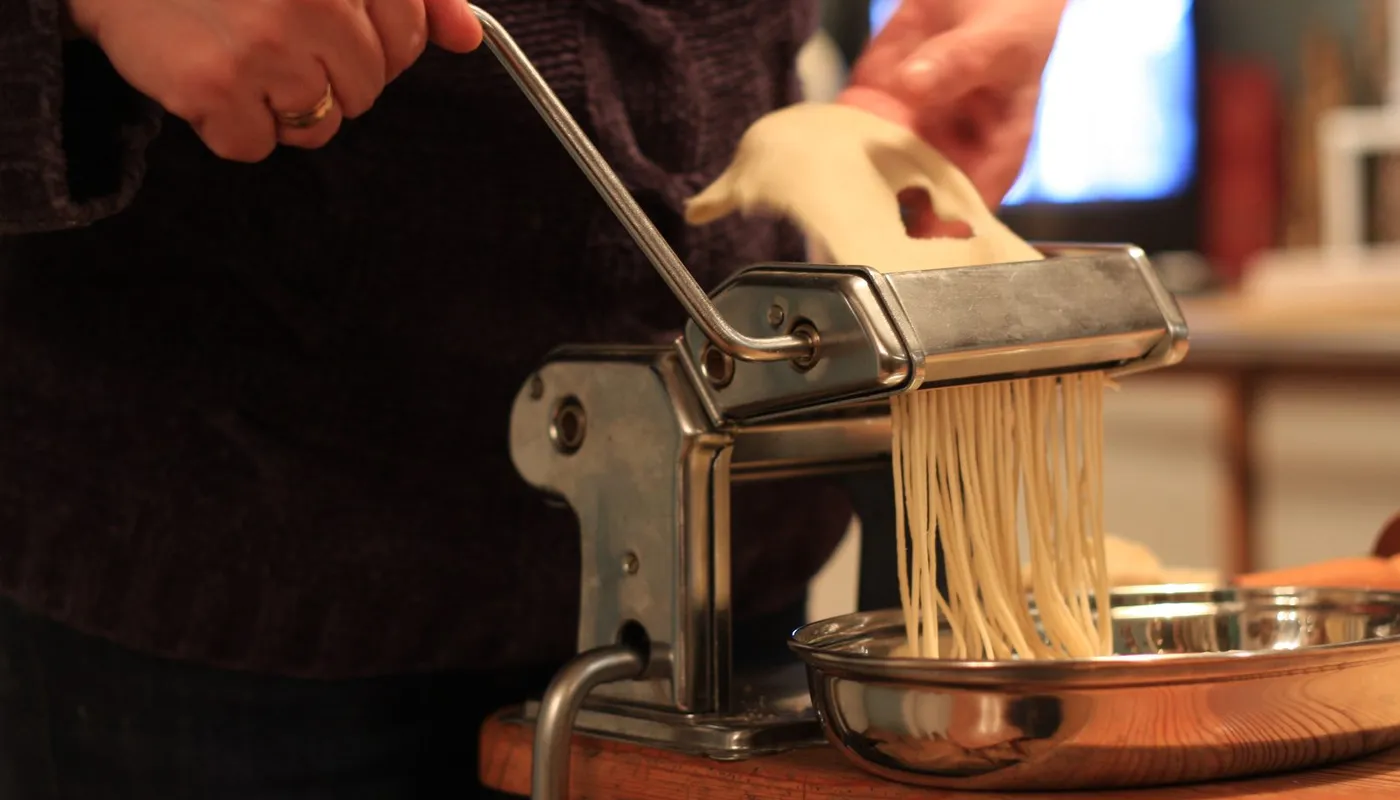
Clamp the machine to a table that does not move, with the screw done up properly: if it wobbles, the strip comes out crooked. Keep it away from the sink, because water is its enemy. Set aside a floured tray or a clean tea towel to lay the strips on as they come out.
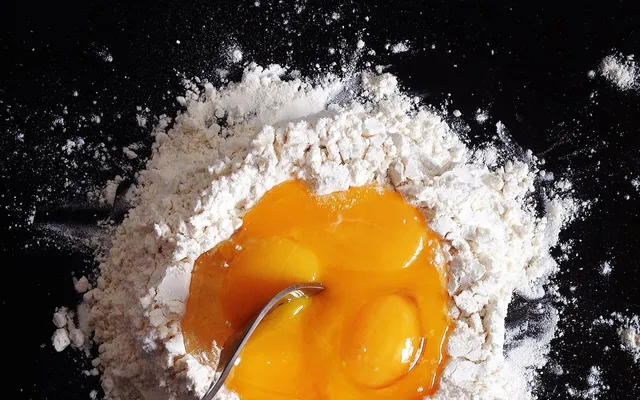
The dough is the same as for hand rolled pasta, the one in the guide to the basic dough: one egg per 100 grams of flour, ten minutes of kneading, half an hour of covered rest. Resting matters even more with a machine: an unrested dough springs back between passes and never takes the right width.
The machine settings
A roller machine gives you a repeatable thickness, but the settings are not a standard: setting 6 on one make can match setting 7 on another. The general rule is this:
- always pass the sheet through every setting in order, without skipping any, folding it in three the first two times to strengthen it;
- for cut shapes, stop at the second to last setting;
- use the last one only for cappelletti and tagliolini, and only with a well rested dough, otherwise the strip tears;
- after the first time, measure the strip with the light test and note down the right setting for each shape on your own machine.
The suggested setting for each shape is in the table in the guide to sheet thickness, column “Setting (out of 9)”: treat it as a starting point, then your own machine will tell you whether to go one up or one down.
The method, step by step
- Divide the dough into four pieces and keep the ones you are not working covered, or in two minutes they form a crust.
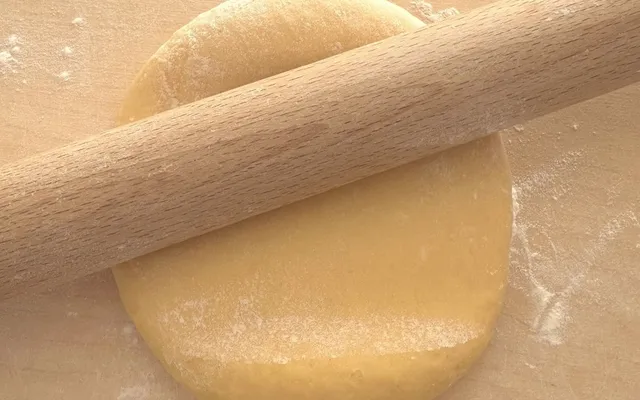
- Flatten a piece with your hands until it fits between the rollers opened at their widest.
- On the widest setting fold the strip in three, like a letter, and pass it through four or five times. This is the step everyone skips and it is the one that makes the difference: the dough compacts and takes the width of the rollers.
- From here go down one setting at a time, without skipping any, passing through once per setting.
- If the strip becomes too long to handle, cut it in half and carry on with the two pieces.
- Stop at the right setting for the shape and lay the strip on the tea towel.
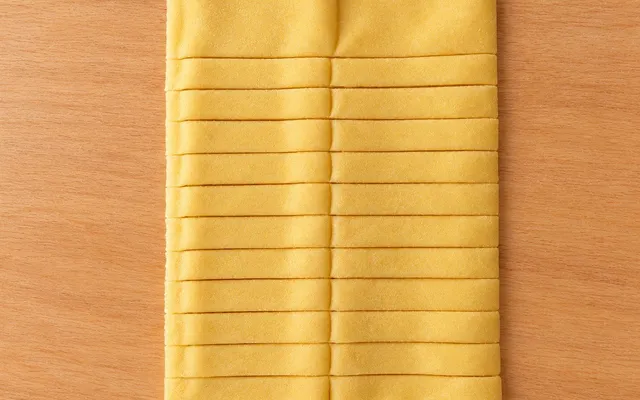
For cut shapes let the strips dry for ten minutes before cutting, or the ribbons stick to each other. For filled pasta it is the other way round: you work straight away, while the sheet is soft, so the edges seal by themselves without wetting them.
The mistakes people make with a machine
Skipping settings. Going from 3 to 6 to save time stresses the gluten and the sheet tears. You go down one setting at a time.
Too much flour. Excess flour ends up in the rollers, cakes together and leaves streaks on the sheet. If the strip sticks, the dough is damp: better a veil of flour on your hands than a handful on the sheet.
Not strengthening at the start. Without the folds in three on the first two settings the strip comes out with ragged edges and never becomes a clean rectangle.
Working all the dough at once. The pieces waiting uncovered dry out and then crack. Cover them with an upturned bowl or with cling film.
How to clean it
Never water, never the dishwasher: water rusts the rollers and takes the lubricant off the gears. Do it this way: let the bits of dough dry for an hour, then brush the rollers with a stiff brush or a dry toothbrush, turning the handle back and forth. Finish with a dry cloth on the outside. Keep it somewhere dry, not above the hob and not under the sink.
If one day you want to try the rolling pin, the same thicknesses come from the movement we explain in the guide on how to roll the sfoglia: the difference is that you feel them under your hands instead of reading them off a dial. There is no hurry, and there is no exam to pass.
Frequently asked questions
Is a hand rolled sfoglia really different from a machine one?
Yes, you can taste it. The rolling pin leaves a slightly rough, porous surface that holds the sauce; the rollers smooth it and compact it. For tagliatelle al ragù the difference is obvious, for cappelletti in broth far less so.
Which pasta machine setting should I use for ravioli?
The second to last for ravioli and tortelli with a soft filling, the last one for cappelletti destined for broth. Settings differ from make to make, so roll a test strip and hold it up to the light: for small fillings the sheet should let the colour of the filling show through.
Can I wash a pasta machine?
No, never with water and certainly not in the dishwasher: water rusts the rollers and takes the lubricant off the gears. Let the leftover dough dry, brush it away with a stiff brush and wipe the outside with a dry cloth.
Why does my sheet come out with ragged edges?
Because it was not strengthened at the start. On the first two settings fold the strip in three like a letter and pass it through four or five times: the dough compacts, takes the width of the rollers and from then on comes out with straight edges.