Gnocchi · Beyond the sfoglia
Potato gnocchi with butter and sage: the Romagna recipe
Thursday is gnocchi day
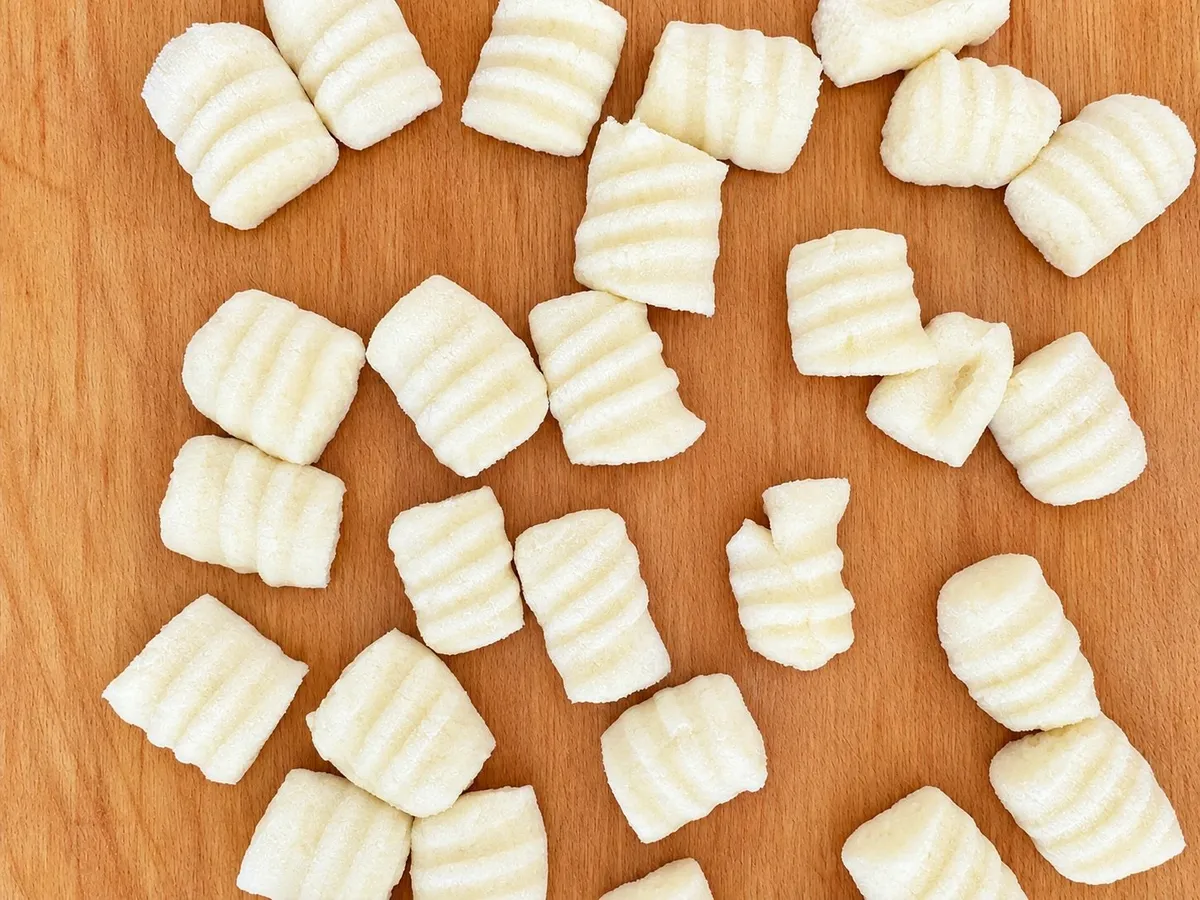
Potato gnocchi are not egg pasta, nor sfoglia, but they belong by right among the first courses of the Romagna tradition: boiled potatoes, flour, an egg, and ridged by hand, one by one, on the prongs of a fork. People say that perfect gnocchi need mountain potatoes, the ones grown in dry clay soils that are naturally low in water and rich in starch. That is true, but with a few precautions they come out perfectly with ordinary supermarket potatoes too, and here we explain which.
The story
As far back as the Middle Ages, water and ground grains, spelt or wheat, were mixed into little balls to cook in boiling water. With the arrival of potatoes from America, and after the great famine of 1764, potatoes entered everyday eating for good; towards the end of the eighteenth century people began adding the flesh of boiled potatoes to the flour for a softer dough, and potato gnocchi as we know them were born. The saying “giovedì gnocchi”, Thursday is gnocchi day, comes from the need for a filling, cheap meal to line the stomach ahead of Friday, the day of fasting and abstinence in the Catholic tradition.
The right dough
Gnocchi dough is not to be worked for long: it is only brought together, quickly. The opposite of a sfoglia, in other words. Every extra minute under your hands warms the potatoes, develops the gluten in the flour and calls for more flour to put things right, and in the end you eat gnocchi made of dough rather than of potato. That is why the potatoes are boiled in their skins, riced when cold and mixed in a flash, with the lowest amount of flour that holds. If the dough seems too soft, before adding flour try two spoonfuls of Parmesan: it gives body without weighing it down.
The dressing: butter and sage
The butter is melted slowly, never fried or coloured, with the sage leaves in it just long enough to lend their scent. The secret is in the pan: the gnocchi arrive from the water on a slotted spoon, and half a ladle of cooking water, swirled over the lowest flame, turns the butter into a velvety cream thanks to the starch. Parmesan, pepper and a touch of nutmeg, off the heat, finish the dish.
At the table
Gnocchi are served at once, on warm plates, because they do not wait well. Butter and sage is the house dressing, but on a Sunday ragù is just as good, the same one as for the tagliatelle: in that case keep them a touch drier and toss them in the sauce for a moment only. If you have raw ones left over, freeze them on the tray as we explain in the guide to storing and drying fresh pasta.
Ingredients
For the dough
For the dressing
Tick the ingredients as you go. Amounts adapt to the number of servings.
Method
-
The potatoes
Wash the potatoes well and leave the skins on, otherwise they soak up too much water. Put them in a large pot, cover with cold water, bring to the boil and cook for 30 to 40 minutes: the time depends on their size, and they are done when the prongs of a fork slide into the centre without resistance. Drain them and let them cool. They can be boiled the day before and kept in the fridge.
-
Mashing and mixing
Peel the potatoes and pass them through a potato ricer straight onto the board. Add the flour and the egg and mix quickly, just long enough to get a compact dough: do not overwork it, it should not become smooth.
-
Shaping and cutting
Take a piece of dough and, on the floured board, roll it under the palms of your hands into ropes about 2 centimetres thick. Cut the ropes into pieces 2 centimetres long.
-
Ridging
Optional, but recommended. Take each piece and, pressing lightly with your thumb, roll it down the prongs of a floured fork: one side keeps a hollow, the other the ridges, and both hold the dressing better.
-
The dressing
In a very large pan, ideally with high sides, melt the butter over a gentle heat, slowly and without letting it sizzle or brown. Add the sage leaves, leave it over the lowest flame for another 2 to 3 minutes and turn it off.
-
Cooking
Drop the gnocchi into plenty of boiling salted water. Do not stir: wait for them to float up on their own. Lift them out with a slotted spoon straight into the pan with the butter and sage and turn the heat back on to its lowest. Add half a ladle of the cooking water and swirl the pan gently: the starch in the water binds with the melted butter into a velvety cream, so the dressing is neither loose nor greasy.
-
Finishing
Turn the heat off completely and dust with the Parmesan, the pepper and the nutmeg. If it looks too dry, add another couple of spoonfuls of cooking water.
Frequently asked questions
Which potatoes should I buy for gnocchi?
Mountain potatoes would be ideal, but the red skinned potatoes sold in every supermarket work very well. What matters is not to use new potatoes, because they hold too much water.
Can I make the gnocchi dough in advance?
No: the dough has to be made and worked at once, otherwise the potatoes start releasing moisture, it turns soggy and forces you to add far too much flour. The boiled potatoes, on the other hand, can be cooked the day before.
Can gnocchi be frozen?
Yes, with two small precautions. Lay them on well floured trays, spaced apart, and only once they have hardened one by one move them into bags. When you cook them, drop them into plenty of boiling salted water and do not stir, for any reason, until they come to the surface: otherwise they turn to mush.
Keep kneading
Similar recipes
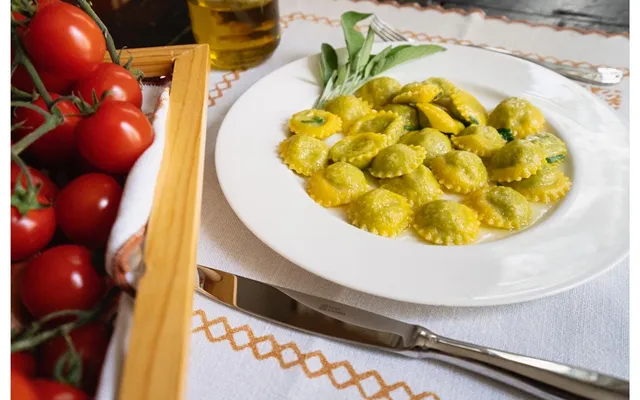 Ravioli
Ravioli di ricotta e spinaci
The simplest filling, if the ricotta is the right one
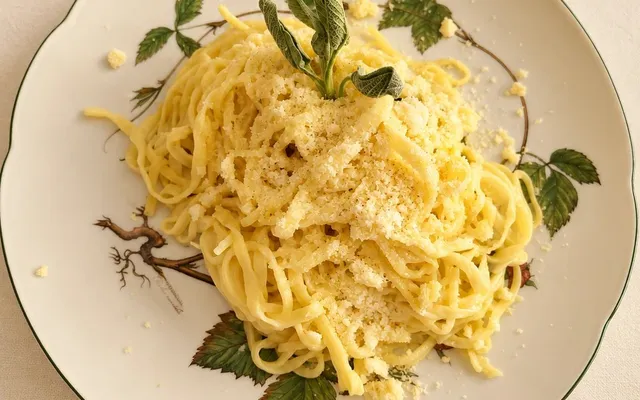 Tagliolini
Tagliolini with butter and sage
The finest cut of the sfoglia, for a dressing that does not cover it
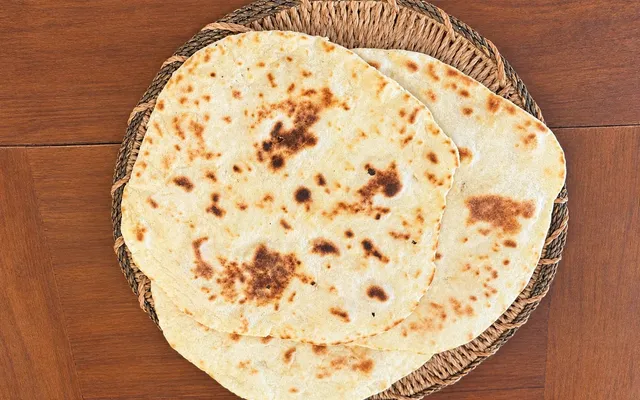 Piadina
Piadina romagnola
It is not pasta, but it is the bread of Romagna