A sfoglia, the sheet of fresh egg pasta, that splits while you are rolling it. Tagliatelle that turn into one solid block in the pan. Soft pasta that breaks apart under the fork. We have watched all of this happen to everybody, ourselves included, and almost always the cause is a single small thing that is easy to put right. Here are the ten mistakes we see most often in our friends’ kitchens, with the remedy for each. If you want to start from the right proportions, our guide to the basic pasta dough is the place to begin.
1. Using the wrong ingredients
The problem: the sheet comes out rubbery and hard to roll, or it tears the moment you lift it. Usually the culprit is a flour that is too strong, the sort sold for bread or pizza with a high protein content, or pure semolina, which gives a tough dough with little stretch. The remedy: for egg pasta use a medium strength farina 00, the soft wheat flour closest to plain flour, and the ordinary supermarket bag is perfectly good. Keep the semolina for dusting. If you want to understand the difference, we have written a whole article on which flour to use for fresh pasta. If your problem is the colour instead, use the special eggs sold for sfoglia, with a deep yellow yolk: we cover them in the article on eggs for fresh pasta.
2. Eggs straight from the fridge
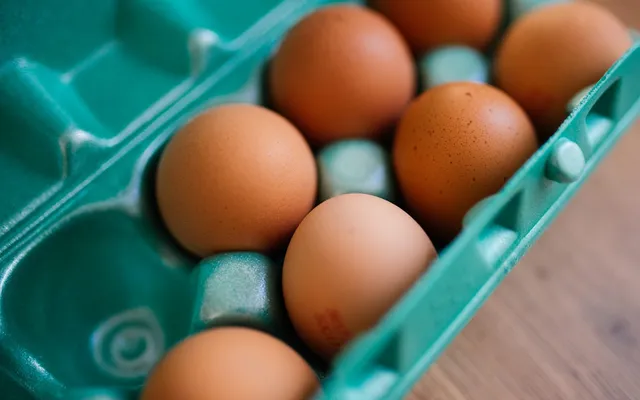
The problem: the dough struggles to come together, stays hard and takes twice as long to turn smooth. Cold eggs slow down the way the flour takes up liquid and stiffen the dough. The remedy: take the eggs out at least half an hour beforehand. If you are in a hurry, sit them in a bowl of warm water for five minutes.
3. Not kneading enough
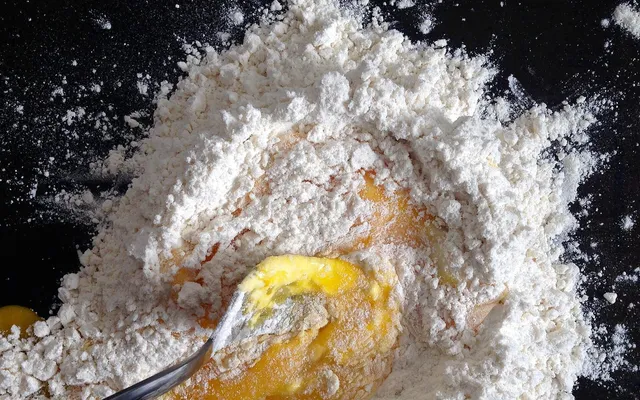
The problem: the sheet develops holes as you roll it, the edges fray and the surface stays rough and blotchy. The gluten has not had time to build the network that holds everything together. The remedy: knead with the heel of your hand, pushing and folding, for at least ten minutes. It is ready when the ball is as smooth as a peach, no longer sticks to your fingers and springs slowly back when you press it with a fingertip. Before rolling the sheet, allow it the rest of at least thirty minutes.
4. Skipping the rest
The problem: the dough shrinks back like elastic every time you roll it out and never gets thin. Freshly kneaded dough is nervous. The remedy: wrap the ball in cling film and let it rest for at least thirty minutes at room temperature. An hour is better. The gluten relaxes and the sheet lets itself be rolled without a fight.
5. Rolling the sheet too thick
The problem: the tagliatelle are heavy, the cappelletti, the small stuffed pasta parcels of Romagna, stay raw in the middle while the pasta around them is already done, and a tortello feels like rubber. The remedy: for tagliatelle you want roughly one millimetre, and for filled pasta even less. Held up to the light you should see the grain of the board, or your fingers, through it. If you are using a machine, go to the second-to-last setting for tagliatelle and the last one for filled shapes. All the measurements are in the guide to pasta thickness by shape.
6. Too little flour on the board, or too much
The problem: the sheet sticks to the board and tears when you lift it. Or the opposite, it dries out and cracks because you floured the worktop as though it were snowing. The remedy: a veil of flour on the board, scattered with an open hand, and another veil on the sheet each time you turn it. If it sticks, add a little more; if it dries, cover the part you are not working on with a tea towel.
7. Tagliatelle that stick together
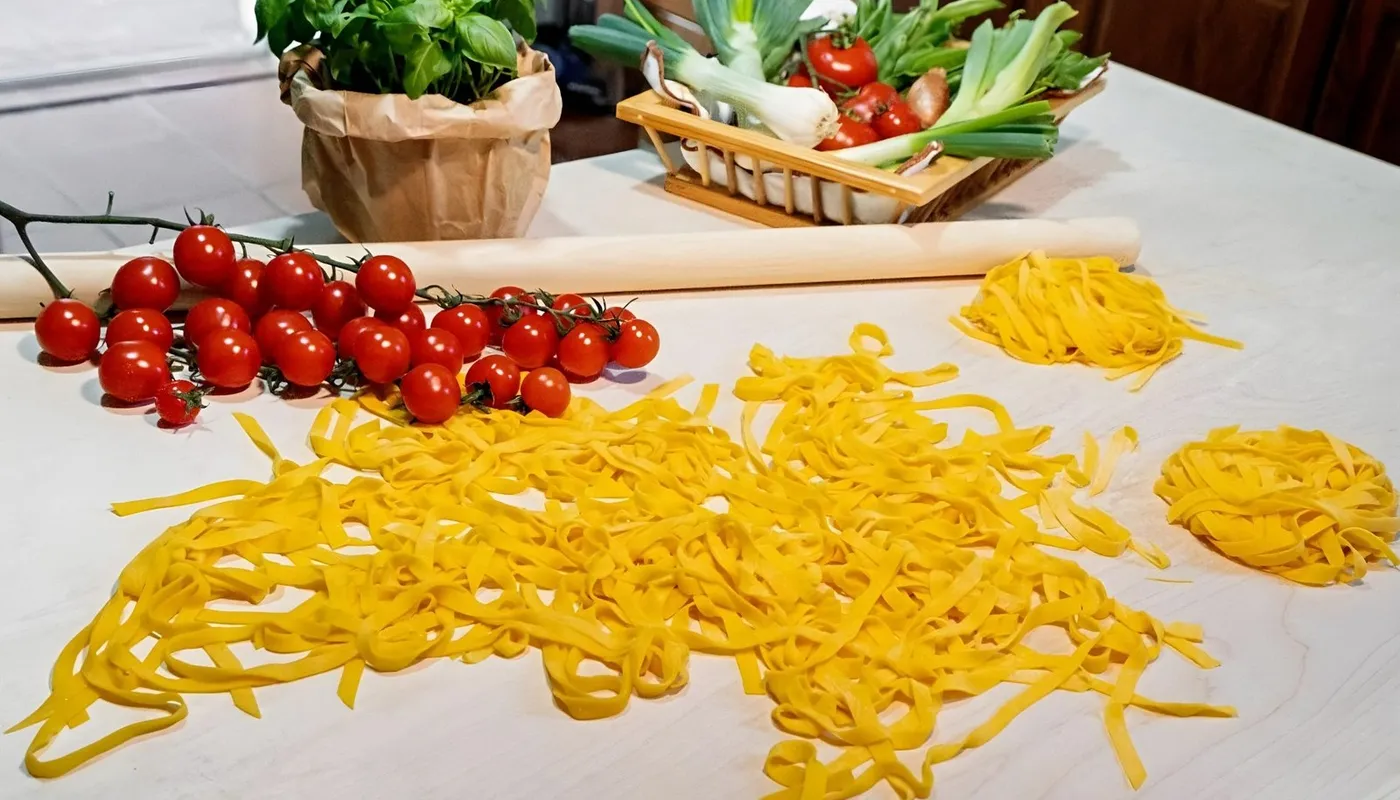
The problem: you cut the ribbons too soon, when the sheet was not properly dry. Or you left them in a heap, and ten minutes later they are one single mass. The remedy: before you roll the sheet up for cutting, let it dry for at least ten minutes, and in any case until the surface is no longer tacky. On particularly humid days it can take thirty. As soon as you have cut it, open the ribbons with your fingers, dust them with semola rimacinata, the fine durum wheat semolina, which is not absorbed, and lay them in loose nests on a tray. If you are not cooking them straight away, follow the advice in our guide to storing and drying fresh pasta.
8. Water that is not salty enough
The problem: the tagliatelle taste of nothing and not even the ragù can save them. Egg pasta contains no salt, or very little, so all its seasoning comes from the water. The remedy: about ten grams of coarse salt per litre, added once the water boils. It should taste of the sea. The water must be plentiful: at least a litre for every hundred grams of pasta, because fresh pasta releases starch and in a small pan that starch turns to glue.
9. Cooking it for too long
The problem: fresh pasta goes soft, cappelletti burst open, tagliatelle break up on the plate. The remedy: fresh pasta cooks in two or three minutes, and a very thin sheet in even less. Start tasting after the first minute. Remember too that it carries on cooking in the warm sauce, so drain it a moment before you would want to eat it.
10. Never in the colander
With fresh pasta never use the colander: lift it out with tongs or a spider, unless you want to wreck your work and create yourself a string of problems. For instance: the tagliatelle al ragù reach the table dry, the sauce slides off and settles at the bottom of the plate. The colander throws away the cooking water, which is exactly what you need to bind the sauce. Whatever the dressing, always keep back a small ladle of water to finish the pasta in the pan. A turn over the heat, a spoonful of water if it needs it, and the sauce clings to the pasta. This holds for ragù, for tagliolini with butter and sage and for any other dressing. The other problem is that tipping pasta into a colander is a violent movement, which can break filled shapes and crush long ones.
One last piece of advice
Do not try to correct all ten mistakes in a single afternoon. Pick one at a time, the one that catches you out most often, and make a sfoglia once a week for a month. By the fifth board your hands already know what to do on their own, and that is exactly how every azdora, the woman who ran the Romagna farmhouse kitchen, learned before us.
Frequently asked questions
Why does my pasta sheet tear as I roll it?
Nearly always for three reasons: the dough was too dry, the rest was skipped, or there was too much flour on the board. Add a teaspoon of water to the next batch, rest it for at least half an hour wrapped in cling film, and dust the board with a veil of flour rather than a snowfall.
How do I stop tagliatelle sticking together?
Let the sheet dry for ten minutes before you roll it up, open the ribbons with your fingers as soon as you have cut them, and dust them with semola rimacinata, the fine durum wheat semolina, which is not absorbed. Lay them in loose nests on a tray, never in a heap.
How long should fresh egg pasta cook?
Two or three minutes in plenty of well salted water, less if the sheet is very thin. Start tasting after the first minute and drain it a moment before it is perfect, because it carries on cooking in the warm sauce.